15 Film Tape Backgrounds: A Vintage Aesthetic Toolkit
The Allure of Analog in a Digital World
There’s a particular warmth to film that digital perfection often misses. It’s in the subtle grain, the unpredictable light leaks, and the gentle scratches that tell a story of time passed. The 15 Film Tape Backgrounds collection captures this essence, offering a curated set of textures that feel like a direct artifact from a vintage cinema reel. This isn't just a filter; it's a foundational design asset that infuses your work with authentic, cinematic nostalgia.
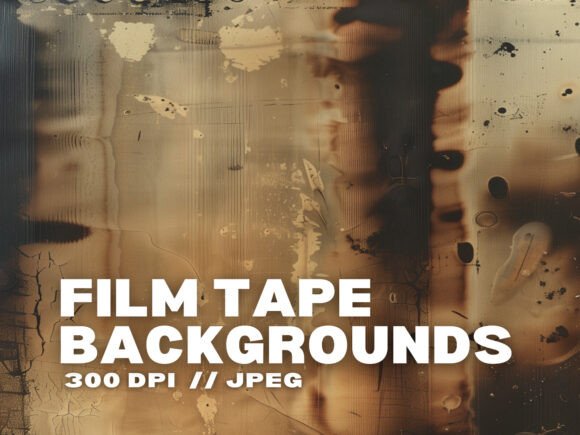
Each background in this set is a high-resolution JPG file, rendered at 300 DPI for exceptional clarity. The visual personality is unmistakably retro: you’ll find realistic dust particles, film grain, and those coveted light leaks in hues of amber, cyan, and magenta. The textures range from clean, subtle overlays to more pronounced, grunge-style tape marks, providing a versatile palette for any project seeking a touch of analog charm. This collection functions less like a traditional typeface and more like a visual texture library, setting the stage for your primary content.
Practical Applications Across Creative Disciplines
Understanding where these backgrounds excel is key to leveraging their full potential. For social media graphics, a film tape overlay can instantly elevate an Instagram post or Pinterest pin, stopping the scroll with its tactile quality. It works beautifully as a background for quotes, promotional text, or behind-the-scenes imagery, adding depth that flat color cannot achieve. In editorial design and web design, these textures can serve as section backgrounds for blog headers or digital banners, creating visual interest without overwhelming the accompanying typography.
The utility extends powerfully into video and motion graphics. Using one of the 15 Film Tape Backgrounds as a video overlay can simulate a vintage film reel effect, perfect for title sequences, transitions, or nostalgic flashbacks in your edits. For brand identity and logo design projects targeting a vintage, artisanal, or retro-industrial audience, incorporating a subtle film texture into supporting materials—like business cards, packaging mockups, or presentation slides—can reinforce brand personality with sophisticated consistency. It’s a strategic asset for brands that want to communicate authenticity and a crafted, human touch.
Enhancing Visual Hierarchy and Audience Connection
The strategic use of texture directly influences how your audience perceives and engages with your content. A film tape background naturally creates a visual hierarchy, establishing a distinct layer for your foreground elements—be it text, a logo, or a photograph—to sit upon. This separation improves readability when done thoughtfully, as the texture provides context without competing directly for attention. It guides the viewer’s eye, making your core message more prominent within a rich, atmospheric setting.
From a brand perception standpoint, these backgrounds evoke specific emotions: nostalgia, authenticity, creativity, and a certain handmade quality. For a small business selling vintage goods, a craft brewery, or a photographer specializing in analog styles, integrating these textures into marketing materials can build immediate recognition and trust. It signals a cohesive aesthetic that resonates deeply with audiences who appreciate detail and story. The collection’s versatility allows you to maintain this brand consistency across digital ads, printed packaging design, and even physical scrapbooking projects.
Making the Most of Your Film Tape Assets
When you download these 15 film tape backgrounds, you’re acquiring a set of design assets meant for integration, not just application. A practical approach is to treat them as a layer in your design software. Experiment with blend modes like Multiply, Screen, or Overlay to control how the texture interacts with your underlying colors and images. For a subtle effect, reduce the layer opacity. For a more dramatic, gritty look, stack multiple textures or pair them with complementary font pairings—perhaps a clean sans serif font against a textured background to ensure legibility.
Consider the project’s medium. For digital use, ensure the background’s resolution matches your output needs. For print, the 300 DPI files are ready for high-quality reproduction on invitations, greeting cards, or poster prints. Always evaluate the texture’s complexity in relation to your content. A busy, scratch-heavy background might work well behind a simple logo, while a cleaner, light-leak texture could be better for text-heavy layouts. This mindful application ensures the backgrounds enhance, rather than distract from, your core message.
Ultimately, the value of this collection lies in its ability to bridge the digital and the tactile. It provides a shortcut to a sophisticated aesthetic that would otherwise require expensive film scans or complex custom work. Whether you’re a designer building a retro brand identity, a marketer creating standout social media content, or a hobbyist crafting a personalized gift, these film tape backgrounds offer a practical, high-quality solution for adding timeless character to your creative work.