Abstract Animal Skin Backgrounds: A Wild Textural Revolution
There is a specific kind of creative fatigue that sets in when you are scrolling through stock libraries looking for the perfect background. We have all seen the standard gradients and the safe, corporate textures that lack any real soul. If you are a designer, content creator, or brand strategist looking to inject a bit of primal energy into your work, you need to step away from the mundane. Enter the world of Abstract Animal Skin Backgrounds. This is not your grandmother’s leopard print; this is a modern, digital reimagining of nature’s most complex patterns, blended with colorful grunge textures and fractal surfaces. It is raw, it is textured, and it commands attention.
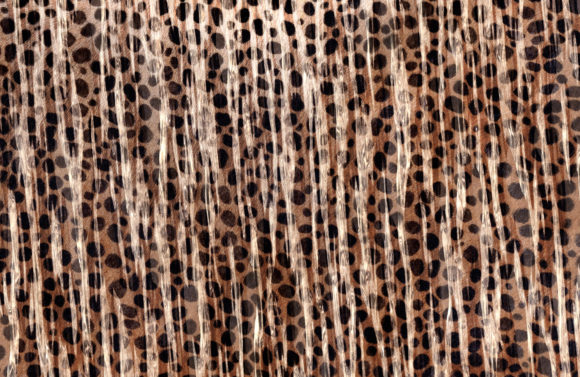
At its core, this category of design assets represents a fusion of biology and digital art. Imagine the intricate geometry of a snake’s scales or the irregular spots of a jaguar, but rendered through a lens of modern illustration. These backgrounds often utilize gradient backgrounds that shift from deep, moody earth tones to neon-tinged highlights, creating a sense of depth that flat colors simply cannot achieve. The visual personality of these designs is bold and tactile. You can almost feel the ridges and valleys of the surface, even though they are purely computer-generated. It is a style that speaks to both the primal instincts of the viewer and their appreciation for high-end digital craftsmanship.
The Anatomy of the Texture: Grunge, Light, and Fractals
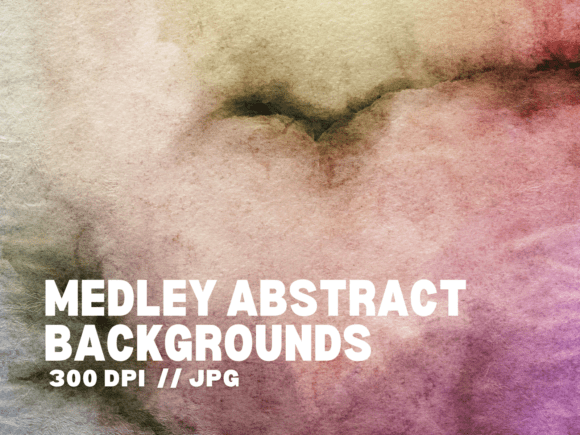
What makes these specific Abstract Animal Skin Backgrounds stand out from generic stock imagery is the layering of effects. A high-quality texture in this niche isn't just a pattern repeated over a canvas. It is a complex interplay of elements. You will often find colorful grunge textures overlaid on top of the organic shapes, adding a distressed, weathered look that feels authentic and lived-in. This grit prevents the design from looking too sterile or overly polished.
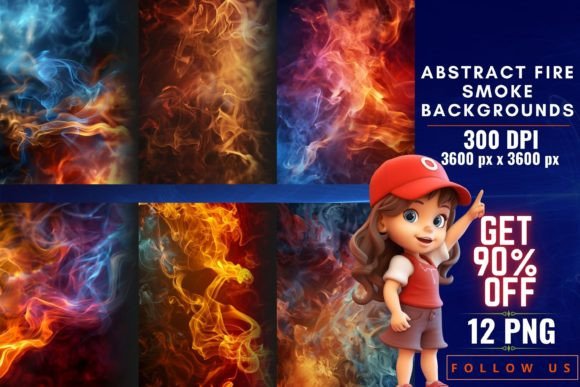
Furthermore, the integration of light effect textures is crucial. By manipulating light and shadow across a fractal surface, designers create a three-dimensional illusion. The light catches the ridges of the "skin," highlighting the peaks and casting shadows in the valleys. This creates a dynamic visual hierarchy even within the background itself. Whether you are using a special painted texture that mimics oil on canvas or a sleek, computer-generated texture that looks like polished chrome scales, the result is a surface that feels alive. It moves the viewer's eye across the page, creating a rhythm that static backgrounds lack.
Strategic Applications for Modern Brands
So, where do these powerful visuals fit into the real world of marketing and design? The versatility of these assets is surprisingly broad, provided you understand the context. For packaging design, these textures are a goldmine. Think about high-end cosmetics, men’s grooming products, or specialty beverages. Using an abstract animal skin texture on a box or label immediately communicates a sense of wild luxury. It suggests that the product inside is unique, perhaps even untamed. It breaks the shelf monotony of standard minimalist packaging.
In the realm of web design and social media graphics, these backgrounds serve as perfect stage-setters. A fashion blogger or a fitness brand can use a beautiful texture illustration as a header image or a story background to stop the scroll. The intricate details encourage viewers to zoom in or linger longer on the post. However, a word of caution: because these designs are so detailed, they work best when paired with clean, legible typography. A bold sans serif font usually cuts through the visual noise better than a delicate script.
For editorial design, such as magazine covers or feature spreads, these textures provide a sophisticated, artistic backdrop for headlines. They allow you to create a mood—perhaps edgy, futuristic, or exotic—without needing a complex photoshoot. The modern background illustration style ensures that the image feels contemporary and relevant to today's aesthetic trends, rather than dated.
Integrating Texture into Your Brand Identity
When we talk about brand identity, consistency is king. However, consistency does not mean boring. Incorporating abstract animal skin backgrounds into your visual language can be a powerful differentiator. It signals that your brand is bold and unafraid to stand out. The key is to treat these textures as a supporting actor, not the lead. If your brand voice is aggressive and high-energy, a neon-tinted, grungy texture fits perfectly. If your brand is more about luxury and mystery, a dark, gradient background with subtle reptilian textures works better.
Consider the psychological impact as well. Animal prints, even abstract ones, trigger associations with nature, survival, and instinct. When applied to a tech startup or a creative agency, it bridges the gap between the organic and the digital. It humanizes the technology. When selecting a texture, look for packs that offer 5 different color variations. This allows you to maintain the texture's structural integrity while shifting the palette to match specific campaigns, seasons, or product lines. This kind of flexibility is essential for maintaining a cohesive yet adaptable visual strategy.
Practical Selection and Implementation
Not all textures are created equal. When sourcing these design assets, resolution is paramount. You need a high-quality texture design that won't pixelate when scaled up for print materials like trade show banners or posters. Look for files that are high-resolution and, if possible, vector-based or available in lossless formats.
Here is a quick checklist for evaluating your next texture pack:
- Scalability: Can you zoom in without losing the detail of the "skin" pattern?
- Color Harmony: Do the 5 different color options cover a range of moods (e.g., warm, cool, monochromatic)?
- File Variety: Does the pack include the source file or just flattened JPGs? Having a special painted texture with layers gives you more control.
- Commercial Licensing: Always verify the license. If you are using this for logo design or merchandise, you need a commercial license that covers resale and reproduction.
Finally, think about how the texture interacts with your typography. If you are using a handwritten font or a script font, ensure the background doesn't swallow the ascenders and descenders of the letters. You may need to place a semi-transparent overlay or a solid shape behind the text to maintain readability. The goal is to let the abstract animal skin breathe and add atmosphere, while ensuring your message remains the focal point. When done right, these textures transform a flat design into a tactile experience, engaging your audience on a subconscious level that plain white space simply cannot reach.