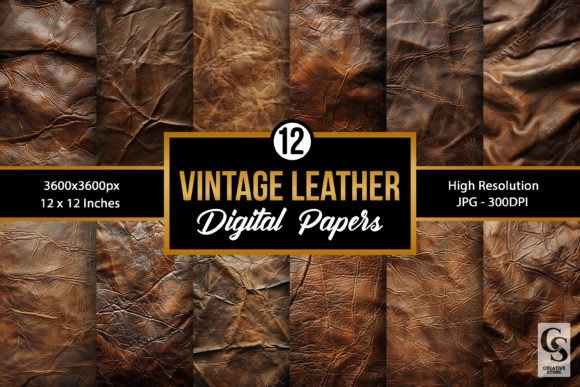
Authentic Character: Using Vintage Leather Texture Backgrounds
There is a certain weight and history that comes with leather. It’s a material that tells a story through its wear, its grain, and its patina. In the digital world, where things can often feel flat and sterile, capturing that sense of authenticity is a powerful tool. This is precisely the appeal of a well-crafted set of Vintage Leather Texture Backgrounds. It’s not just a pattern; it's an atmosphere, a tactile experience translated into pixels that can instantly elevate a design from ordinary to evocative.
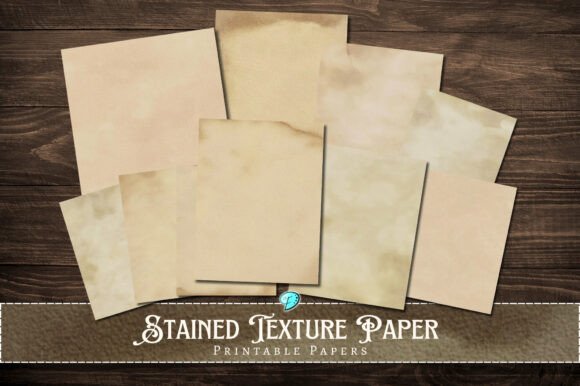
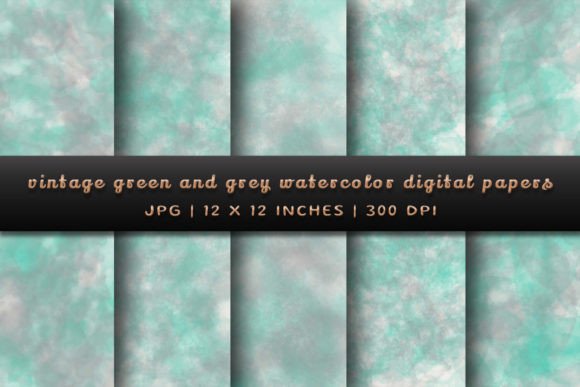
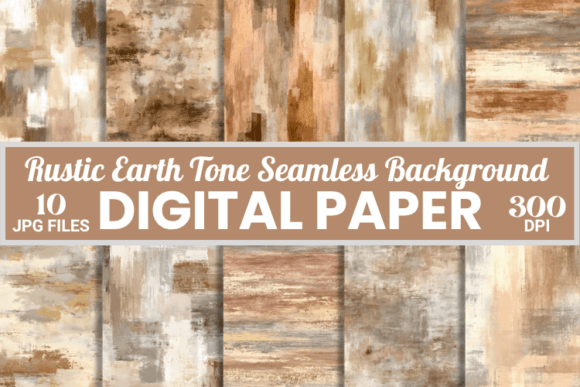
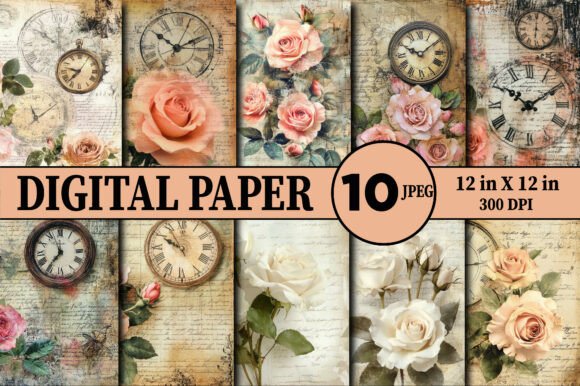
This particular collection of 12 digital papers offers a versatile palette of aged, classic leather styles. The visual characteristics go beyond a simple brown surface. You'll find subtle cracks, rich grain variations, and nuanced color shifts that mimic the look of a well-loved book cover or a favorite old armchair. The overall appeal lies in its ability to communicate warmth, durability, and a sense of established quality. For a brand, this texture can suggest craftsmanship and reliability. For a creative project, it adds a layer of depth and sophistication that more generic backgrounds lack. The style is inherently classic, making it a robust design asset for projects that aim for a timeless feel rather than a fleeting trend.
Where This Texture Truly Shines
The practical applications for these Vintage Leather Texture Backgrounds are surprisingly broad, spanning both digital and physical mediums. Their high-resolution 300dpi and 12"x12" dimensions make them a premium font-style asset, ready for high-quality printing and detailed digital work.
In the realm of branding and marketing, these textures are invaluable. Imagine using them as the backdrop for a logo design presentation for a bespoke tailor, a whiskey distillery, or a high-end furniture maker. The texture immediately frames the logo within a narrative of tradition and quality. It works exceptionally well for social media graphics, especially for brands in the lifestyle, grooming, or artisanal food space. A post announcing a new product or a special event gains immediate gravitas when set against a rich, vintage leather background.
For publishers and content creators, the applications are just as potent. Use them in editorial design for magazine covers, chapter openers, or as a background for pull quotes in a digital publication. Bloggers can use them to create unique featured images or downloadable resources that feel substantial and valuable. The texture also excels in packaging design—think of a mockup for a coffee bag, a candle label, or a subscription box where the unboxing experience is part of the brand story.
Of course, the personal and craft applications are where this collection truly becomes a creative playground. These are perfect for:
- Scrapbook Decorations & Journaling: Add a layer of tactile realism to your digital or printed memory books.
- Invitations & Greeting Cards: Create wedding invitations with a rustic, romantic feel or holiday cards with a classic, cozy vibe.
- Planners & Notebook Covers: Design custom covers for your digital planners or physical journals that you’ll be proud to use.
- DIY Projects: From custom tumbler wraps to unique wall art prints, these textures provide a professional-grade starting point for countless projects.
- Stationery: Design a cohesive set of letterheads, envelopes, and business cards that feel distinguished and memorable.
Making the Most of Your Leather Textures
Simply placing text on a textured background isn't enough to guarantee a successful design. To truly leverage the power of these assets, a bit of strategic thinking is required. The first step is evaluating project fit. A vintage leather texture communicates specific values: durability, tradition, warmth, and craftsmanship. Ask yourself if this aligns with your brand identity or the message of your project. It’s a perfect match for a sommelier’s website but might feel out of place for a children’s toy brand.
Next, consider your typography. The background has a strong personality, so your typeface choice needs to complement it, not fight it. A bold, clean sans serif font can create a striking modern contrast, allowing the text to pop. A classic serif font can harmonize with the traditional feel, creating a seamless, elegant look. For a more personal touch, a delicate script font or handwritten font can work beautifully for invitations or logos, but ensure it remains legible. The key is to test your font pairing directly on the background. Zoom in and check the readability of your body copy, especially at smaller sizes. Sometimes, a slight drop shadow or a semi-transparent overlay behind the text is necessary to ensure clarity.
Finally, think about consistency. If you're using these textures across a brand identity, select one or two variations from the set and stick with them. Using a different leather for every social media post can look disjointed. By creating a consistent visual language, you strengthen brand recognition and professionalism. This collection of 12 backgrounds gives you enough variety to find the perfect match for your primary needs while having options for different campaigns or product lines. Remember, the goal is to use this creative font