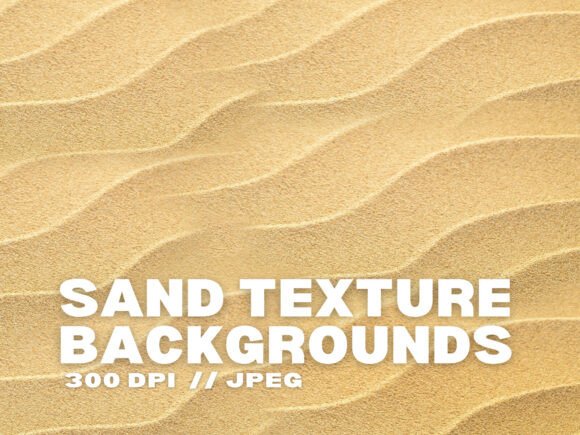
Elevate Your Visuals: 10 Sand Texture Backgrounds
In the world of digital design, finding the right backdrop is often more challenging than creating the foreground element itself. We spend hours tweaking typography and kerning, yet the canvas behind the text is frequently overlooked. A flat, solid color works for minimalism, but when you need depth, grit, or a sense of organic warmth, solid fills fall short. This is exactly where the 10 Sand Texture Backgrounds collection steps in. It isn't just a set of images; it is a toolkit for adding tactile realism to the digital flatness of screens and paper.
The Power of Organic Texture in Modern Design
When we talk about modern typography, we often focus on the typeface—be it a sans serif font for clarity or a serif font for tradition. However, the impact of a font is heavily dictated by its environment. Placing a sleek, geometric premium font on a rough, windswept sand texture creates an immediate contrast that draws the eye. It suggests that the brand is both refined and grounded in nature.
The 10 Sand Texture Backgrounds set captures the subtle variations of beach landscapes, desert dunes, and microscopic grit. These aren't generic stock photos; they are high-resolution design assets intended for close-up use. You will find fine, powdery textures that look almost like silk, alongside coarse, pebbly surfaces that convey ruggedness. This versatility allows you to match the texture to the specific "personality" of your project. For instance, a wellness brand might use the finer, lighter textures to suggest calm and purity, while an adventure gear company would benefit from the rougher, darker grains to imply durability.
Practical Applications: From Branding to Digital Art
The utility of these textures extends far beyond simple decoration. As a brand identity asset, sand textures provide a neutral yet distinct foundation for logo design. Imagine a logo with a subtle grain overlay; it instantly feels more "lived-in" and authentic than a vector graphic sitting on a stark white background. This is particularly effective for businesses in the travel, hospitality, or eco-friendly sectors.
For editorial design and packaging design, these backgrounds solve the problem of visual interest. A product label using a sand texture immediately communicates an earthy or natural ingredient list without needing a single extra word. In web design, these JPGs can be used as hero section backgrounds. Because they are high-resolution, they remain crisp even on 4K monitors, ensuring that your site looks professional and polished.
Furthermore, social media graphics thrive on texture. Algorithms favor content that stops the scroll, and a rich, tactile background does exactly that. Whether you are a content creator making Instagram stories or a marketer designing Facebook ads, using a sand texture can make your text pop. It adds a layer of depth that flat colors cannot achieve, making your message feel more substantial.
Integrating Textures with Typography
One of the most common questions in graphic design is how to ensure readability when using busy backgrounds. The 10 Sand Texture Backgrounds are designed with this in mind. The grain is consistent enough to provide a pattern but subtle enough not to overpower your text.
When pairing fonts with these textures, consider the hierarchy. A bold display font or handwritten font works beautifully for headlines, as the thick strokes can stand up to the visual noise of the sand. For body text, a clean sans serif font is usually the best choice. You might need to add a slight drop shadow or a semi-transparent overlay box behind your paragraphs to ensure maximum legibility, but often, simply choosing a high-contrast color (like deep charcoal on light sand, or crisp white on dark sand) is sufficient.
Think of the sand texture as a unifying element. If you are working on a set of wedding invitations, for example, using a script font for the names and a serif font for the details, all set against a warm, beige sand background, creates a cohesive, romantic aesthetic that feels expensive and custom-designed.
Technical Quality and Commercial Flexibility
From a technical standpoint, these files are saved as high-quality JPGs. This format ensures broad compatibility across all design software, including Adobe Photoshop, Illustrator, InDesign, and Canva. The resolution is high enough for print projects—such as posters, flyers, and business cards—without pixelation issues.
For entrepreneurs and small business owners, the licensing is a critical factor. This collection allows for commercial use. This means you can incorporate these textures into products you sell, such as digital planners, printable art, or merchandise, without worrying about attribution or legal hurdles. It removes the friction from the creative process, allowing you to focus on execution rather than rights management.
Final Thoughts on Elevating Your Projects
In an era of digital saturation, authenticity wins. Audiences are drawn to visuals that feel real and tangible. By incorporating the 10 Sand Texture Backgrounds into your workflow, you are not just adding a pretty picture; you are adding a layer of sensory experience to your work. Whether you are a photographer looking for a backdrop for a composite image, a crafter making custom decor, or a designer building a global brand, these textures offer a versatile, professional-grade foundation. They bridge the gap between the digital and the natural, helping you create work that resonates on a human level.